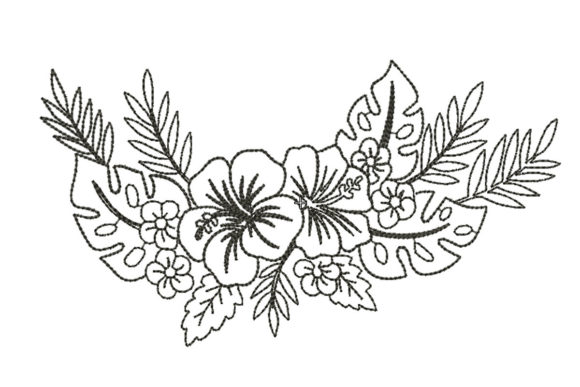
Tropical: Fresh, Bold & Booth-Ready
First Impression: Vibrant, Modern & Instantly Recognizable
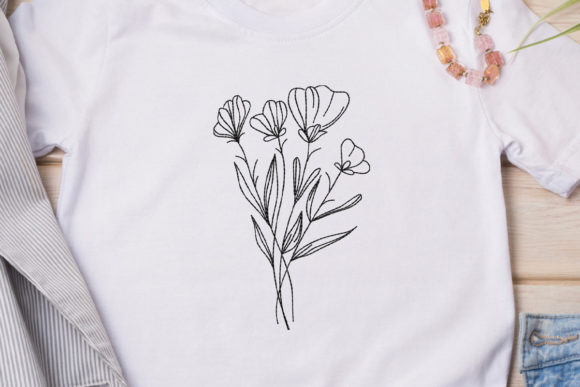
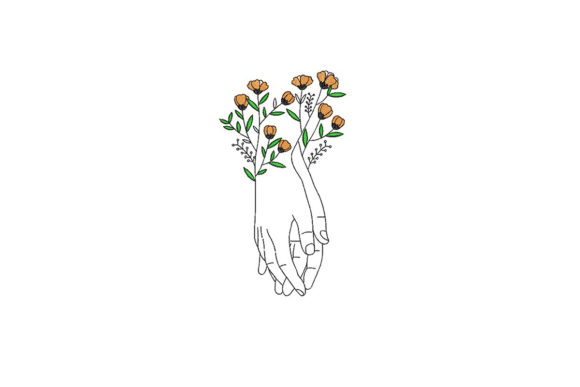
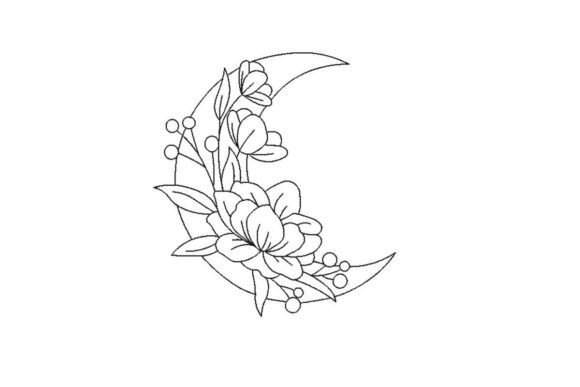
When I opened Tropical for the first time, I didn’t see just another floral motif—I saw booth traffic. It reads bold and fresh at a glance, not fussy or overly delicate. That’s critical when your craft fair table is competing with 40 other vendors in under five seconds. This isn’t farmhouse lace or vintage botanical—it’s modern tropical: clean lines, confident shape, and a sense of movement that makes it feel alive on fabric. As an Outline Flowers design, it avoids heavy fill areas, which means faster stitching, lower thread consumption, and less risk of puckering—especially important for high-volume craft fair prep.
Where Tropical Shines (and Where It Needs Care)
Tote bags: A standout. The scale works beautifully centered on natural canvas or linen totes—large enough to read from six feet away, but refined enough to avoid looking cartoonish. Pair it with a single contrasting thread color (think coral on oat or teal on charcoal), and it becomes a signature small shop product.
Aprons & tea towel embroidery: Excellent versatility here. On a chef-style apron, Tropical looks professional yet personable—ideal for foodie markets or boutique kitchen shops. On flour-sack tea towels? It adds premium handmade quality without overwhelming the utility. Just avoid placing it too close to hems or seams where stitch density could cause stiffness.
Embroidered patches & fabric pouches: This is where Tropical truly earns its keep. As a patch, it’s crisp, scalable, and holds detail well—even at 2.5”. As a focal point on a drawstring pouch or zippered clutch, it elevates a simple handmade product into a giftable item. Customers consistently reach for items with intentional, confident design—and Tropical delivers that energy.
Caps & pillow covers: Use caution. Curved cap surfaces demand precise hooping and stabilizer balance—Tropical’s clean outline helps, but test on scrap first. On pillow covers, it performs best on medium-weight cotton or linen blends—not heavy duck or textured burlap, where fine line clarity can blur.
Real-World Production Notes Every Embroidery Designer Should Check
- Test the design on scrap fabric—especially if using textured towels or dark fabric. Outline-only designs rely heavily on contrast; low-contrast thread on black linen may vanish in person.
- Review spacing and stitch density. Though labeled as an outline, some versions include light satin accents—check your embroidery file for hidden fills that could increase density unexpectedly.
- Confirm hoop size before batching. A 4” x 4” hoop works for most placements, but if you’re planning larger tote bag layouts, verify compatibility with your machine’s max hoop capacity.
- Use the right stabilizer. Tear-away works for smooth cottons and linens; cut-away is safer for knits or stretchy market bags. Skip fusible web alone—it won’t support even moderate stitch density.
- Create at least one real mockup before committing to 50 tote bags. See how it photographs, how light hits the thread, and how it feels in hand. A printable mockup is great for Etsy listings—but nothing replaces holding the actual finished product.
- Compare fabric colors carefully. What reads “fresh” on ivory may look washed out on ecru. What pops on navy might disappear on charcoal. Swatch three fabric options side-by-side with your chosen thread colors.
- Confirm commercial licensing before selling any craft fair product or listing on Etsy. This digital embroidery file must be cleared for commercial embroidery use—not just personal projects.
Why Tropical Wins at the Craft Fair (and Online)
It’s not just pretty—it’s practical storytelling. When a customer picks up a tote bag design with Tropical, they’re not just buying cotton—they’re buying vacation energy, summer ease, and handmade intention. That emotional resonance drives impulse buys, repeat booth visits, and Instagram tags. In photos, it translates cleanly: no muddy edges, no lost detail in shadows, no glare on thread. That makes your Etsy seller listings convert better—and your printable mockups look authentically premium.
For batch production? Yes—it’s highly repeatable. Minimal color changes, consistent stitch path, and forgiving geometry mean fewer stops, less thread breakage, and smoother transitions between fabric types. That efficiency matters when you’re embroidering 30 aprons before Saturday morning setup.
Careful-Use Notes: Protect Your Reputation & Results
Avoid dense stitch areas near stems or petal tips unless your file explicitly confirms light density—some “outline” files sneak in tight satin stitches that don’t scale down. Tiny details (like fine leaf veins) may vanish below 2”, so skip Tropical for micro-patches or kids’ cap fronts unless verified. Thick fabric? Double-check that your machine handles the combined weight of stabilizer + fabric + design density—especially on denim market bags. And always inspect final pieces for skipped stitches near sharp curves—a common hiccup with fast-moving outline motifs.
The Bottom Line for Creative Entrepreneurs
Tropical isn’t background decor—it’s a visual anchor. It strengthens your booth display by adding rhythm and freshness amid wood signs and ceramic mugs. It raises perceived value on otherwise simple handmade products, tells a cohesive brand story (think: coastal cottage, modern botanical, or sunny artisan), and encourages buyer engagement—people ask about it, snap photos, and remember your table. For small shop product development, it’s a low-risk, high-reward machine embroidery design: easy to understand, quick to produce, and built to sell—not just stitch.
If you're curating design assets for your next craft season, Tropical belongs in your top five. Not because it’s trendy—but because it’s timeless in execution, reliable in production, and unforgettable in person.